Evaluating Upright Vs Canister Vacuums: What You Need to Know
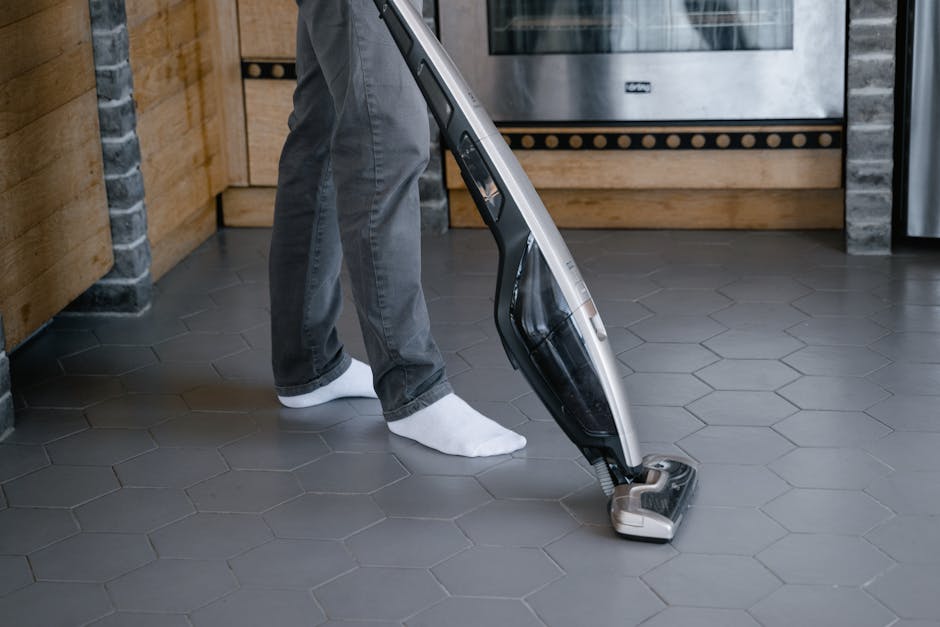
The Upright vs Canister Vacuum Showdown: Which One Fits Your Home Best?
In the ever-evolving world of home cleaning, choosing between an upright vacuum and a canister vacuum is akin to selecting between two distinct lifestyles. Both have their own set of advantages and drawbacks, making them suitable for different household needs.
While some may argue that one type outperforms the other in every aspect, the truth lies in understanding your specific requirements. This guide will delve deep into the characteristics, functionalities, and ideal use cases of both upright and canister vacuums.
The Anatomy of an Upright Vacuum
An upright vacuum cleaner features a single unit where the motor, dust collection system, and suction mechanism are integrated within the same body as the floor attachment.
This design allows users to push the machine forward while standing, eliminating the need to bend over or kneel during operation. The handle typically includes adjustable height settings to accommodate various carpet types.
The primary components include the dirt cup or bag, the power head with rotating brushes, and the wand assembly used for reaching under furniture or cleaning upholstery.
Modern upright models often come equipped with HEPA filters and advanced suction technology designed specifically for pet hair removal and allergen control.
Some high-end units also feature self-propelling functions that reduce physical effort when moving across smooth floors.
Advantages:
- Convenience: All-in-one design makes storage easier compared to separate parts required by canister models.
- Ease of Use: Standing posture reduces strain on back muscles especially beneficial for older adults or those with mobility issues.
- Power Efficiency: Direct connection from motor to brushroll ensures optimal performance without loss through hoses or accessories.
Disadvantages:
- Limited Maneuverability: Bulkier frame hinders access behind sofas or around tight corners typical in modern homes.
- Cleaning Challenges: Difficulties arise when attempting to clean stairs due to lack of extendable wands found in many canister variants.
- Maintenance Issues: Replacing bags or emptying cups requires lifting heavy units which might be challenging for individuals with limited strength.
Understanding Canister Vacuums
A canister vacuum consists of two main elements: the motorized canister containing the filtration system and the detachable hose connected via flexible tubing allowing greater flexibility in maneuvering around obstacles.
This modular approach enables users to easily switch attachments such as crevice tools, dusters, or even specialized heads for hardwood flooring without having to move entire machines.
Canister vacuums excel at navigating narrow spaces thanks to their slim profile and lightweight construction. They’re particularly favored among people living in apartments with limited space availability.
One notable benefit comes from being able to lift up the canister itself for accessing hard-to-reach areas like underneath beds or inside cabinets where debris tends to accumulate unnoticed.
Many contemporary designs incorporate swivel casters that facilitate smoother transitions between rooms while minimizing damage risk to delicate floor surfaces.
Advantages:
- Versatility: Wide range of accessories available enhances ability to tackle diverse cleaning tasks including ceiling fans, blinds, and curtains.
- Maneuverability: Compact size permits easy movement beneath furniture pieces commonly found in most households today.
- Filtration Options: Some premium versions offer multi-stage filtration systems capable of capturing ultrafine particles beneficial for allergy sufferers.
Disadvantages:
- Storage Space Requirements: Need additional room since you must store both the canister and hose separately unlike uprights’ consolidated form factor.
- Reduced Suction Power: Longer hose lengths can slightly diminish airflow efficiency leading to less effective pickup capabilities compared to direct drive models.
- No Self-Propulsion Feature: Unlike certain upright models, traditional canisters require manual pushing rather than automatic movement assistance.
Comparative Analysis: Performance Metrics
When evaluating performance differences between these two types, several key factors emerge that significantly influence user experience and satisfaction levels post-purchase decision.
Suction power remains paramount regardless of model choice but manifests differently based upon internal engineering choices made by manufacturers.
Uprights generally deliver stronger suction because they utilize direct-drive motors feeding straight into brushrolls whereas canisters rely on suction generated through longer hoses potentially resulting in minor losses along pathways.
Data from independent testing facilities shows average suction rates ranging from 180 AW (air watts) for mid-range canister units up to nearly 300 AW achievable by top-tier upright configurations.
However, real-world effectiveness isn’t solely dependent on numbers; variables like filter efficiency and maintenance schedules play equally crucial roles determining overall performance outcomes.
For instance, clogged filters in either type will noticeably degrade suction output necessitating regular inspections and timely replacements according to manufacturer guidelines.
Filter Systems & Allergen Control
Both upright and canister vacuums now frequently include HEPA (High-Efficiency Particulate Air) filtration options aimed at trapping microscopic airborne contaminants including pollen spores, dust mites, and mold fragments.
HEPA-rated filters boast efficiencies exceeding 99% at capturing particles measuring 0.3 microns or larger thereby providing substantial relief for occupants suffering from respiratory conditions linked to indoor air quality concerns.
Dual-stage filtration setups combining pre-motor filters with post-motor HEPA layers represent current industry standards ensuring thorough cleansing processes before exhaust gases return into ambient environments.
Users seeking enhanced protection against allergens would find value in opting for machines explicitly labeled as meeting stringent HEPA certification criteria established by recognized regulatory bodies worldwide.
User Experience Considerations
Beyond technical specifications lie intangible aspects shaping day-to-day interactions with these appliances namely ergonomics, ease-of-use parameters, and long-term usability patterns.
Height adjustment mechanisms featured prominently on modern upright cleaners cater towards accommodating varied carpet thicknesses thus optimizing contact pressure exerted onto surface materials being cleaned.
Adjustable handles allow operators to maintain proper posture reducing instances of back pain associated with prolonged bending motions characteristic of older upright designs lacking ergonomic enhancements.
Meanwhile, canister variants prioritize portability facilitating quick transitions between locations requiring spot treatments or localized deep cleans without needing full repositioning efforts.
Swivel caster implementations contribute notably towards enhancing navigational agility particularly advantageous when dealing with irregularly shaped living quarters featuring numerous architectural anomalies.
Ergonomic Design Elements
Contemporary upright models increasingly integrate ergonomic considerations addressing common musculoskeletal complaints reported amongst frequent users.
Features such as padded grips, telescoping handles, and weight distribution optimizations help mitigate fatigue experienced after extended usage periods.
Lightweight aluminum frames combined with strategically placed counterweights ensure balanced handling preventing torque-induced discomfort during operation cycles.
These innovations collectively aim to transform what was once considered laborious chore into manageable routine task compatible with varying degrees of physical capability.
Space Constraints & Storage Needs
Residential layouts vary considerably influencing suitability of particular vacuum styles depending upon spatial limitations imposed by interior architecture.
Apartment dwellers constrained by compact dimensions stand to gain considerable benefits from adopting canister solutions owing to reduced footprint occupied versus bulkier upright counterparts.
Vertical stacking arrangements facilitated by wall-mounted brackets enable efficient utilization of otherwise wasted vertical real estate maximizing available square footage within confined environments.
Alternatively, upright vacuums provide convenience through centralized housing wherein all essential components remain contained within singular structure simplifying organization protocols.
Yet this advantage translates disadvantageously when considering scenarios involving multiple attachments necessitating extra storage compartments beyond standard configurations.
Wall Mount Solutions
Specialist mounting kits tailored exclusively for canister vacuums allow secure fastening against drywall surfaces utilizing toggle bolts or adhesive mounts contingent upon structural integrity assessments conducted beforehand.
Such installations free up precious ground-level space previously consumed by bulky equipment enabling better traffic flow dynamics within residential interiors.
However, installation procedures demand careful attention to load-bearing capacities inherent within building frameworks to prevent potential damages arising from improper fixation techniques.
Professional consultation proves advisable prior initiating any permanent fixture projects ensuring compliance with local safety regulations governing appliance anchoring methodologies.
Cost Implications & Long-Term Value
Pricing structures differ substantially between upright and canister vacuum segments reflecting disparities in technological complexity and material composition utilized during manufacturing phases.
Entry-level upright models start approximately $150-$250 whereas comparable canister offerings span similar price ranges albeit exhibiting wider variability influenced heavily by accessory inclusion policies.
Premium versions incorporating smart connectivity features, robotic integration potentials, or advanced filtration technologies command significantly higher premiums often surpassing $600 mark irrespective of chosen configuration style.
Consumers must weigh initial acquisition costs against projected lifetime expenses encompassing replacement parts, maintenance routines, and eventual obsolescence timelines affecting residual values attainable upon resale endeavors.
Warranty durations serve as critical indicators regarding expected durability expectations although coverage specifics fluctuate drastically depending upon brand affiliations and regional market positioning strategies employed by respective vendors.
Accessories & Replacement Parts Cost
Replacement components constitute recurring expenditures impacting total ownership economics particularly relevant for high-usage consumers maintaining rigorous cleaning regimens.
Bags for upright vacuums usually cost between $10-$25 per pack whereas HEPA filter replacements hover near identical figures contingent upon frequency of usage patterns observed within individual households.
Canister-specific consumables tend toward slightly lower pricing points attributable largely to simpler mechanical architectures minimizing component failure probabilities overtime.
Nevertheless, specialized attachments such as turbo brushes or stair climbers elevate ancillary spending obligations demanding prudent budget allocation decisions ahead of time.
Environmental Impact Assessment
Ecological footprints left behind by consumer electronics extend far beyond mere electricity consumption metrics encapsulating broader sustainability implications spanning production cycles through end-of-life disposal practices.
Manufacturing processes involved in assembling vacuum cleaners generate greenhouse gas emissions proportional to raw material extraction operations alongside energy-intensive fabrication stages.
Recyclability profiles diverge markedly between upright and canister categories primarily dictated by plastic content percentages embedded within their respective chassis constructions.
Models emphasizing eco-friendly initiatives demonstrate commendable progress through adoption of biodegradable packaging materials or incorporation of recycled polymer compounds during injection molding procedures.
Energy efficiency ratings assigned by third-party organizations offer consumers objective benchmarks assisting informed purchasing selections aligned with personal environmental consciousness levels.
Energy Consumption Comparisons
Operational wattage varies considerably among devices influencing cumulative kilowatt-hour expenditures accrued over extended service lifetimes.
Typical upright cleaners operate between 1000-1500 Watts whereas canister alternatives exhibit marginally lower power demands averaging 800-1200 Watts respectively.
Despite nominal variance, actual energy savings realized hinge critically upon duration and frequency of deployment activities executed daily by each owner.
Smart sensors detecting occupancy status automatically switching off idle units present innovative approaches curbing unnecessary power wastage occurrences prevalent in conventional unattended operation modes.
Choosing Based On Lifestyle Factors
Selecting appropriate vacuum type ultimately depends upon lifestyle preferences dictating cleaning habits coupled with unique domestic challenges encountered regularly.
Families residing in homes adorned with thick pile carpets derive considerable benefits from upright cleaners whose robust agitation systems effectively dislodge deeply entrenched soils lodged within fiber matrices.
Contrarily, urban residents inhabiting studio apartments appreciate nimble canister variants adept at traversing cramped corridors and awkward angles prevalent in minimalist living spaces.
Individuals burdened with extensive outdoor activity schedules requiring frequent removal of pet fur or plant residue favor upright models endowed with dedicated pet hair removal capabilities.
Lastly, allergy-prone demographics prioritizing superior air purification performances gravitate toward dual-stage filtered canister options delivering enhanced particulate matter elimination efficiencies.
Conclusion
The debate surrounding upright versus canister vacuums continues evolving alongside advancements propelling innovation trajectories within domestic care sectors globally.
Ultimately, neither option emerges universally superior instead presenting distinctive merits catering toward disparate user profiles characterized uniquely by spatial constraints, health priorities, financial allocations, and aesthetic inclinations.
By meticulously assessing personal circumstances vis-a-vis functional attributes delineated throughout this comparative analysis, discerning buyers empower themselves to make well-informed selections aligning precisely with their aspirational cleaning objectives.
Whether opting for streamlined canister versatility or powerful upright efficacy, embracing whichever solution resonates harmoniously with individual needs guarantees enhanced cleanliness experiences transforming mundane chores into satisfying achievements.

news is a contributor at VacMux. We are committed to providing well-researched, accurate, and valuable content to our readers.