Creating a Cleaner, Healthier Home Environment
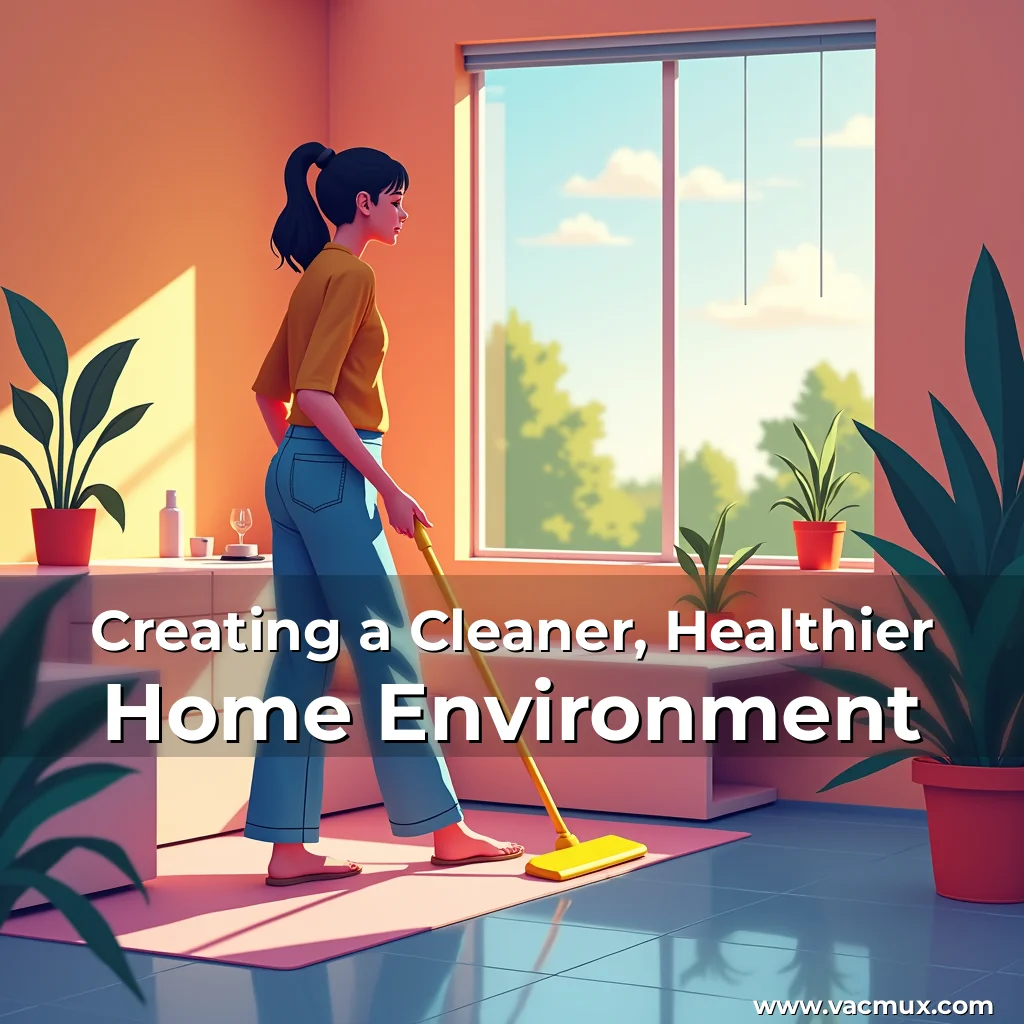
When it comes to maintaining a clean and healthy home, there are many factors to consider. One of the most critical aspects is managing indoor allergens, which can have a significant impact on both comfort and health. From dust mites and mold to pet dander, these triggers can build up in surprising ways, affecting both the quality of life and well-being of family members.
Table of Contents
Why Indoor Air Quality Matters
- Indoor air quality has a direct impact on well-being.
- Pollutants, dust, pollen, and pet dander can remain trapped inside, creating a cycle of irritation.
- Natural light can help reduce indoor allergens by drying out damp areas where mold thrives.
- Regular cleaning with non-toxic solutions and materials can help reduce allergen accumulation.
Indoor air quality is often two to five times worse than outdoor air, which is why simple steps like opening windows on a low-pollen day can dramatically reduce airborne allergy triggers. This makes regular window cleaning an essential part of a healthy home routine.
The Rise of Allergies and Asthma
Asthma and allergies are becoming more common, and environmental exposures are partly to blame. Studies show that common indoor allergens can aggravate asthma symptoms, especially in children. Reducing these triggers requires a multi-faceted approach that blends education, consistent cleaning, HEPA filtration, pest control, and ongoing maintenance.
- Identify allergy triggers in the home, such as dust mites, mold, and pet dander.
- Implement a comprehensive cleaning plan, including regular vacuuming with a HEPA filter.
- Regularly inspect and replace filters in HVAC systems and air purifiers.
- Consider consulting a healthcare professional or allergist for personalized advice.
By combining these efforts, individuals can significantly reduce their exposure to indoor allergens and alleviate symptoms of asthma and allergies.
Identifying and Removing Allergy Triggers
To improve air quality, start by recognizing allergy triggers in the home. Dust mites are a common issue in bedding, upholstery, and carpets. Mold grows in damp corners or around windows that collect condensation. Pet dander can settle on furniture, floors, and curtains, causing lingering irritation.
- Learn how to remove allergens from home by identifying these sources and tackling them methodically.
- Use a HEPA filter vacuum cleaner to capture tiny particles that cause sneezing and congestion.
- Regularly clean surfaces with natural cleaning solutions like vinegar and baking soda.
- Wash curtains and blinds regularly to prevent dust and pet dander from accumulating.
By understanding how to identify and remove allergy triggers, individuals can create a healthier living environment and alleviate symptoms of allergies and asthma.
Safe Cleaning Practices
When it comes to cleaning, harsh chemicals often do more harm than good. They can irritate sensitive airways and add unnecessary toxins to the indoor environment. Instead, rely on natural cleaning solutions like vinegar, baking soda, and warm water to disinfect and deodorize surfaces.
- Use microfiber cloths to capture dust without spreading it around.
- Regularly clean floors and surfaces with a damp cloth to reduce allergens.
- Avoid using dry cloths, which can stir up allergens and create a mess.
- Consider using a steam cleaner to sanitize surfaces without using harsh chemicals.
By adopting safe cleaning practices, individuals can create a healthier environment for their family and reduce their exposure to indoor allergens.
Smart Airflow and Filtration
Fresh air circulation is key to allergen control. Whenever outdoor air quality allows, open windows to replace stale air with fresh air. This improves oxygen flow and reduces the buildup of allergens.
- Use air purifiers with HEPA filters to trap allergens and reduce particle count in the air.
- Regularly replace filters in air purifiers and HVAC systems to ensure optimal performance.
- Consider using a dehumidifier to reduce moisture levels and prevent mold growth.
- Regularly inspect and maintain windows and window frames to ensure proper airflow.
By combining smart airflow and filtration techniques, individuals can create a healthier environment and reduce their exposure to indoor allergens.
Pet-Friendly Allergen Reduction
Pets bring love and companionship, but they can also introduce allergens into the home. Establishing pet-free zones, regular grooming, and washing pet bedding can help reduce the spread of allergens.
- Regularly groom and bathe pets to reduce shedding and dander.
- Wash pet bedding, blankets, and toys regularly in hot water.
- Vacuum floors and furniture where pets sleep to remove allergens.
- Consider using air purifiers or HEPA filters to reduce allergens in the air.
By implementing these strategies, individuals can reduce their exposure to pet allergens and create a healthier environment for their family.
Conclusion
Reducing allergens in your home does not have to mean using harsh chemicals or expensive treatments. By adopting simple habits, smart cleaning choices, and a focus on fresh air, you can create a healthier living environment for kids and pets alike.

news is a contributor at VacMux. We are committed to providing well-researched, accurate, and valuable content to our readers.