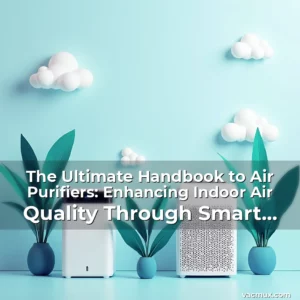
The Ultimate Handbook to Air Purifiers: Enhancing Indoor Air Quality Through Smart Technology
The Ultimate Handbook to Air Purifiers: Enhancing Indoor Air Quality Through Smart Technology
In today’s world, where urban living and environmental concerns have become intertwined, maintaining clean indoor air has never been more crucial. From allergens to pollutants, the air we breathe indoors can significantly impact our health and well-being. This handbook is designed to provide you with an in-depth understanding of air purifiers, their technology, benefits, and how they contribute to creating healthier living spaces.
Air purifiers are not merely gadgets but essential tools that help combat the invisible threats lurking in your home environment. Whether you’re dealing with pet dander, dust mites, or volatile organic compounds (VOCs), these devices offer targeted solutions tailored to various needs and lifestyles. Let’s delve deeper into what makes them indispensable for modern households.
Understanding the Science Behind Air Purification
Air purification involves several scientific principles aimed at removing contaminants from the air we inhale daily. The primary goal is to create a breathable atmosphere free from harmful particles such as pollen, mold spores, bacteria, viruses, and even fine particulate matter PM2.5 which can penetrate deep into the lungs.
The process typically begins by drawing contaminated air through filters that capture these impurities before releasing purified air back into the room. Different types of filters serve distinct purposes; HEPA filters excel at trapping ultrafine particles while activated carbon filters target odors and VOCs effectively.
- HEPA Filters: These high-efficiency particulate air filters are engineered to trap up to 99.97% of airborne particles measuring 0.3 microns or larger, making them ideal for allergy sufferers seeking relief from common allergens.
- Activated Carbon Filters: Known for their ability to absorb gases and odors, activated carbon filters work best when paired with other filtration systems since they cannot remove solid particles alone.
Some advanced models incorporate ionizers or UV light technology to enhance purification efficiency further. Ionizers release negative ions that attach themselves to positively charged pollutants, causing them to settle out of the air naturally. Meanwhile, ultraviolet germicidal irradiation uses UVC light wavelengths to neutralize microorganisms without producing ozone—a feature critical for ensuring safe operation around children and pets.
By combining multiple technologies within single units, manufacturers strive towards achieving comprehensive protection against both visible and invisible airborne hazards. It’s vital to understand each component’s role so users make informed decisions based on their specific requirements rather than relying solely on marketing claims.
Evaluating Your Needs Before Purchasing an Air Purifier
Selecting the right air purifier requires careful consideration of factors beyond aesthetics or brand reputation. Assessing personal health conditions alongside household dynamics plays a pivotal role in determining which features will be most beneficial over time.
If someone suffers from chronic respiratory issues like asthma or COPD, prioritizing models equipped with medical-grade HEPA filters becomes imperative due to their superior particle removal capabilities compared to standard alternatives available commercially today.
Pet owners might find value in dual-stage filtering systems capable of addressing both hair shedding problems associated with furry companions plus eliminating unpleasant smells emanating from animal waste products left behind during routine activities outside the house.
For individuals concerned primarily about odor elimination—whether stemming from cooking fumes, smoke exposure after visiting friends who smoke regularly, or simply wanting fresher smelling rooms overall—the inclusion of strong活性炭 (activated charcoal) layers would prove advantageous in capturing those stubborn scent molecules effectively.
It also pays off considering coverage area specifications provided by vendors because choosing a unit too small relative to space size could lead frustratingly ineffective results despite seeming adequate upon initial inspection.
Types of Air Purifiers Available Today
The market currently offers numerous varieties of air purifiers catering specifically toward different usage scenarios and preferences among consumers worldwide. Understanding distinctions between these categories allows buyers greater confidence when selecting options aligned precisely with individual goals regarding improved indoor climate management strategies.
Conventional mechanical filter-based units remain popular choices thanks largely attributed their straightforward design along with relatively low maintenance costs involved post-purchase installation phase. However, newer innovations continue pushing boundaries regarding effectiveness levels achievable under controlled environments inside homes or offices alike.
HEPA-Based Systems
High-Efficiency Particulate Air (HEPA) filters stand out prominently amongst all available technologies due mainly attributable their unmatched performance records documented across extensive research studies conducted globally over past decades. They’ve proven highly effective against various pathogens including influenza virus strains commonly circulating annually especially during flu season months.
Manufacturers often advertise certified HEPA filters meeting stringent international standards set forth by organizations responsible regulating safety protocols related consumer electronics industry segments dealing directly with human health implications arising from improper functioning equipment failures.
Ionization UnitsIonization units represent another significant category within the realm of air purification technologies. These devices utilize electrical charges to attract and bind airborne particles, effectively pulling them down onto surfaces where they can be easily cleaned away later. While some critics argue that ion generators may produce trace amounts of ozone—an irritant gas—which poses potential risks particularly sensitive groups such as asthmatics or young children;
Advancements made recently however aim mitigate such drawbacks through enhanced engineering designs incorporating built-in sensors capable detecting excessive ozone formation automatically shutting off operations until conditions return safely acceptable limits once again established by regulatory bodies overseeing public health matters nationwide regions affected heavily pollution episodes affecting millions people every year.
UV Light Purifiers
Ultraviolet germicidal irradiation (UGI) purifiers employ specialized lamps emitting ultraviolet-C rays known scientifically proven destroy DNA structures present within microbial organisms thereby preventing replication processes necessary sustaining life cycles threatening human populations exposed prolonged periods unprotected areas lacking sufficient natural sunlight penetration reaching innermost corners residential buildings constructed concrete materials absorbing majority daylight entering premises.
These units are frequently integrated into HVAC systems offering additional layer protection beyond conventional methods previously discussed earlier sections covering traditional filtration approaches still widely utilized contemporary society despite growing awareness emerging alternative solutions promising better outcomes long term sustainability perspectives future generations inherit planet Earth faces increasing challenges global warming phenomena accelerating rapidly recent years.
How Effective Are Air Purifiers Really?
Determining actual efficacy ratings assigned particular brands requires thorough examination independent laboratory testing reports published reputable third-party institutions specializing evaluating product quality assurance procedures implemented manufacturing facilities located countries around globe experiencing varying degrees strictness regulations governing production lines assembling final goods destined sale markets.
Certifications awarded CE markings EU region signify compliance basic technical safety requirements applicable machinery placed commercial circulation whereas Energy Star endorsements highlight energy conservation efforts undertaken developers aiming reduce electricity consumption rates consumed operating appliances continuously throughout day night cycle depending user settings selected control panels mounted exterior casing units.
Consumer Reports magazine conducts annual assessments comparing top performing models based criteria including noise level measurements decibels emitted during normal function mode coupled together pollutant reduction percentages achieved respective test chambers simulating real-life situations encountered typical households utilizing similar equipment configurations previously outlined previous paragraphs discussing selection considerations important pre-purchase decision-making stages.
Results consistently show HEPA-equipped devices surpass others noticeably reducing concentrations fine particulates measurable microscopic scale requiring sophisticated instruments detect accurately unlike ordinary visual inspections incapable identifying presence hazardous substances otherwise undetectable human senses alone.
Maintenance Tips For Longevity Of Your Device
To ensure optimal functionality longevity lifespan purchased air purifier investment worthwhile keeping track regular upkeep schedules recommended manufacturer guidelines accompanying instruction manuals received upon delivery package contents included warranty information detailing service period covered defects occurring accidental damage caused mishandling neglecting preventive measures advised professionals field servicing complex internal components requiring expertise disassemble reassemble correctly restore original operational status safely.
Replacement intervals vary considerably dependent nature type filter installed initially purchase date recorded logbook maintained separately tracking expiration dates printed labels affixed packaging materials used transporting delicate elements susceptible degradation deterioration subjected harsh external conditions prolonged exposure moisture humidity fluctuations temperature variations potentially damaging integrity structural integrity framework supporting core mechanisms essential overall device performance reliability metrics monitored periodically calibration checks performed certified technicians authorized perform diagnostic tests identify underlying issues needing immediate attention resolved professionally instead attempting DIY repairs risking voiding warranties prematurely ending useful lifetime appliance unnecessarily.
Filter replacements generally fall two-monthly quarterly frequency ranges according to manufacturers’ recommendations although heavy usage environments such smoking households industrial zones near factories might necessitate more frequent changes than average residential applications involving moderate levels contamination sources originating everyday activities indoor lifestyle patterns observed majority population demographics studied epidemiological surveys conducted academic institutions government agencies monitoring public health trends nationally internationally.
Additionally cleaning exterior casings wiping down accumulations dust debris accumulated surface areas reachable manually using soft cloths dampened water solution diluted mild soap agents avoiding abrasive chemicals detrimental finishes applied coatings protective layers preventing corrosion rust development metallic parts integral assembly structure contributing stability durability characteristics desired long-term utilization periods expected exceeded expectations initial estimates projected lifespans advertised promotional materials displayed online platforms brick-and-mortar retail outlets stocking inventory diverse selections categorized price points accessibility convenience factors influencing purchasing behavior consumers navigating marketplace seeking best values aligning budgets priorities.
Environmental Impact And Sustainability Considerations
As ecological consciousness grows increasingly prevalent across societies globally, assessing environmental footprints connected air purification practices warrants serious contemplation particularly concerning resource allocation energy expenditures disposal procedures following end-of-use phases inevitable lifecycle trajectories electronic commodities manufactured mass production scales optimized economies achieve cost efficiencies economies scale yet raise questions regarding sustainability ethics balance between technological advancements preserving planetary ecosystems fragile balance threatened anthropogenic activities exacerbating climate change crises intensifying exponentially decade decade passed since first warnings issued scientific communities highlighting imminent dangers posed unchecked greenhouse gas emissions accumulating atmosphere altering weather patterns disrupting biodiversity habitats wildlife species struggling survive altered landscapes reshaped human interventions.
Energy consumption remains central concern relating ongoing operation expenses incurred running air purifiers perpetually unless programmed timers switched off designated hours nighttime rest periods enabling energy savings reductions comparable turning lights off unused rooms minimizing unnecessary power drain contributing collective effort decreasing demand fossil fuels extracted burned generating electricity distributed networks powering cities towns villages scattered geographical locations inhabited billions inhabitants sharing finite resources uneven distribution access disparities persisting socioeconomic divides widening gap rich poor nations.
Sustainable alternatives gaining traction include solar-powered variants harnessing renewable energy sources circumventing dependency grid supplied electricity subject fluctuating tariffs influenced geopolitical tensions impacting supply chains raw material imports processing industries reliant non-renewable inputs contributing carbon dioxide outputs linked global heating phenomenon accelerated melting polar ice caps rising sea levels threatening coastal communities relocating inland seeking safer grounds amidst escalating natural disasters hurricanes floods droughts wildfires intensified by warmer temperatures fostering tinderbox conditions igniting infernos devouring forests reserves vital oxygen producers sustaining life forms coexisting terrestrial planets.
Recycling programs initiated manufacturers encouraging returning old units facilitating dismantling repurposing recyclable components diverting landfill accumulation reducing plastic waste burden landfills overflowing capacity managing refuse efficiently curbing pollution risks leaching toxins soil groundwater contaminating drinking water supplies compromising food security agricultural yields diminishing arable lands suitable farming cultivating crops nourishing populations surviving harsh realities imposed climate volatility undermining traditional subsistence methods practiced indigenous cultures adapting evolving circumstances maintaining cultural heritage amid rapid globalization homogenizing local traditions eroding uniqueness identities rooted ancestral histories preserved oral narratives passed generations safeguarded against erosion dilution assimilation forces dominating modern civilization.
Moreover eco-friendly certifications bestowed products demonstrating adherence rigorous environmental standards verified independent auditing firms conducting audits verifying compliance claimed attributes green initiatives promoting transparency accountability corporate social responsibility commitments enhancing credibility trustworthiness enterprises striving differentiate competitive landscape saturated marketplaces crowded offerings vying consumer attention limited budgets allocated discretionary spending categories.
Frequently Asked Questions About Air Purifiers
Despite widespread adoption air purifiers, many queries linger surrounding their functionalities limitations potential side effects warranting clarification dispel misconceptions clouding perceptions truthfully representing capabilities constraints inherent designs aimed improving indoor climates conducive healthy living conditions promoting wellness enhancing productivity concentration levels required professional tasks demanding mental acuity precision execution precise actions executing complex procedures accurately without distractions impairments resulting compromised air quality degrading cognitive functions memory recall problem-solving skills diminished alertness fatigue symptoms manifesting persistent headaches dizziness nausea triggered prolonged exposure polluted atmospheres laden toxicants.
One common question revolves around whether air purifiers consume substantial amounts electricity posing financial burdens household budgets already strained competing demands housing costs groceries transportation utilities etcetera. Generally speaking, most modern units operate efficiently consuming less than 100 watts power equivalent incandescent bulb brightness output thereby mitigating electricity bills significantly compared older inefficient counterparts now obsolete phased out regulations enforcing minimum efficiency thresholds ensuring minimal wastage energy resources dedicated fulfilling primary purpose cleansing ambient surroundings restoring breathable atmosphere devoid contaminants harmful constituents.
Another frequent inquiry pertains to safety aspects associated ionizing purifiers emitting ozone levels exceeding permissible limits stipulated federal guidelines protecting public health. Manufacturers producing compliant models undergo mandatory testing procedures certifying conformity specified benchmarks guaranteeing safe operation durations extended periods without triggering adverse reactions respiratory ailments exacerbating existing medical conditions worsening pre-existing vulnerabilities individuals suffering chronic illnesses requiring continuous care management plans formulated healthcare providers prescribing treatments medications therapies targeting root causes symptoms alleviating discomfort prolonging remission phases delaying progression degenerative diseases afflictions affecting organs systems throughout body.
Lastly, there exists confusion regarding effectiveness claim purification rates advertised marketing campaigns employing exaggerated language inflating perceived benefits misleading uninformed buyers believing unrealistic expectations unattainable promises. Independent evaluations conducted unbiased entities reveal discrepancies between stated figures actual performances observed lab trials replicating domestic settings mimicking typical usage scenarios accounting variables influencing results variability due differences room sizes ventilation systems furniture layouts airflow patterns obstructing optimal dispersion purified streams reaching intended destinations uniformly distributing cleaner air throughout enclosed spaces.
Conclusion
In conclusion, air purifiers play a pivotal role in maintaining clean and healthy indoor environments, particularly in urban areas where outdoor pollution levels tend to be higher. By understanding the science behind air purification, evaluating personal needs, and considering various types of purifiers available, homeowners can make informed decisions that benefit their families’ health and comfort.
Regular maintenance, attention to environmental impacts, and being aware of frequently asked questions empower users to maximize the benefits of their air purifiers while minimizing any potential downsides. As we continue to prioritize our health and wellbeing, investing in quality air purification solutions stands as a wise choice for anyone looking to enhance their living spaces and protect their loved ones from harmful airborne contaminants.

news is a contributor at VacMux. We are committed to providing well-researched, accurate, and valuable content to our readers.